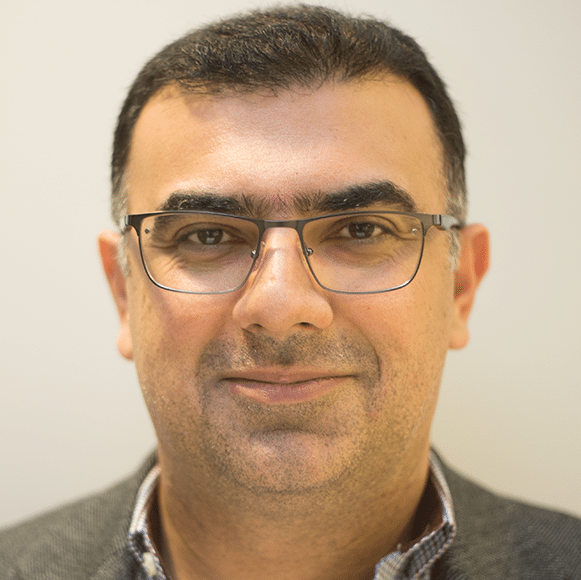
Interview with Massoud Fathi
Mon 29 Jun 2020The goal is to improve the relationship among these forces, as well as to create a platform for inviting other Republican forces to join these collaborations and to unite with them.
- 4225
The goal is to improve the relationship among these forces, as well as to create a platform for inviting other Republican forces to join these collaborations and to unite with them.
We write as Parliamentarians to make an urgent demand for the Islamic Republic of Iran to halt the recent escalation of its persecution of the Bahá’í religious minority. Under the cover of the coronavirus pandemic, Iranian authorities have targeted dozens of Bahá’ís for persecution, threatened to “uproot” the community, initiated new prison sentences, and extended a media campaign of hatred. This targeted persecution must stop.
Farmer Reza Ashrafi may have considered the death of his 14-year-old daughter Romina in the name of family honor inevitable. But its ability to spark an uproar that is challenging Iranian traditions of patriarchy and improving women’s and children’s rights had to appear unlikely. After all, hundreds of Iranian women die each year in so-called honor killings.
Women’s rights advocate and PEN America Member Masih Alinejad, based in New York, and other leading activists based in the U.S. who are speaking out on behalf of women’s rights in Iran have faced an ongoing campaign of retaliation by the Iranian government. This includes a recent series of threats to their safety and that of their families, apparently from individuals who are linked to or within the Iranian government. PEN America regards these threats against writers and activists living in the U.S. as a contemptible assault on freedom of expression and on these individuals’ right to live free from fear.
Currently, the Islamic republic and Iranian people are primarily dealing with the adverse effects of the corona pandemic. The regime and people has been dealing with the effects of sanctions on one hand and as such as resources are getting extremely limited, the public has zoomed in on the corruption and combined effect is continuous delegitimization of the Islamic Republic.
Video: The Queen @ the Coup in Iran
2019 marked the fortieth anniversary of the Iranian Revolution. Yet the turbulent events of late 2019 and early 2020 are stark reminders that Iranians continue to resist for their liberation. These events once again confirmed that the history, legacy, and freedom dreams of the 1979 Revolution are still bitterly contested, forty years later. Since the very beginning of that uprising, the status of gender politics and its relationship to the revolutionary project has been a site of debate and contestation both among revolutionary actors and outside commentators. Unlike previous journal special issues marking anniversary moments of the Iranian Revolution, this collection of essays, art, and creative writing emerged over the course of conversations in 2019 that centered projects of gender justice, women’s leadership in popular struggles, and other forms of feminist political work which are a major force of societal transformation in Iran.
On June 14, 2020 the British Channel Four broadcast a documentary about the 1953 coup against Prime Minister Mohammad Mossaddeq entitled “The Queen and the Coup.”